
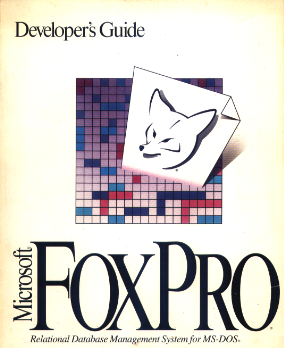
FoxPro emerged in the 1980s as a powerful combination of a database and a programming language. With its SQL‑like syntax and procedural style, it quickly became popular for building robust business applications - initially on DOS and later on Windows. It was fast, efficient and handled large data volumes with ease.
When Microsoft acquired it and released Visual FoxPro, the language gained object‑oriented capabilities. Developers could build GUI apps with forms, reports and components, all with the same database‑centric feel. Although Microsoft ended official development in 2007, FoxPro lives on in organizations that rely on its stability.
Today FoxPro may not be the trendiest language, but it retains a loyal user base and an active community. Projects like VFPX on GitHub continue to create tools and libraries that keep the ecosystem usable. As a veteran language, FoxPro still has a place for building fast, database‑driven applications.